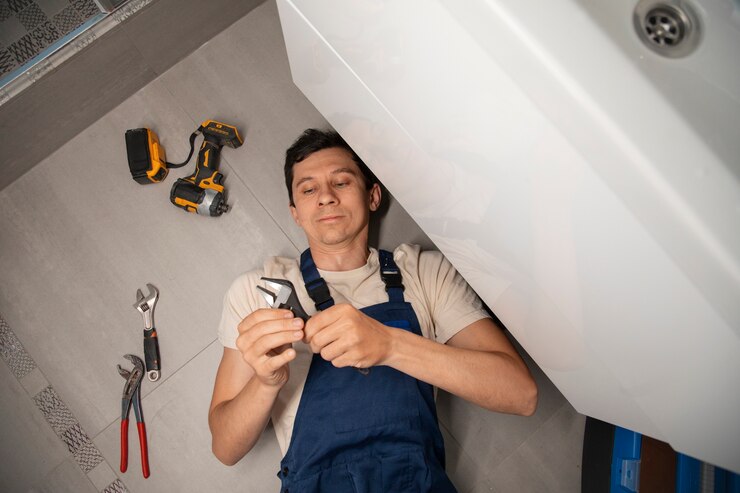
Toilet Overflow Sydney – Emergency Plumbing Service 24/7
A toilet overflow is one of the most urgent plumbing emergencies in any Sydney home or business. Contaminated water spreads fast, damages flooring and walls, and creates serious health hazards if not dealt with immediately. Whether it is a blocked sewer line, tree root intrusion, or a simple blockage that has escalated, you need a licensed plumber on site quickly to stop the damage and restore your bathroom to safe working order.
Call Now: 0480 054 011What Causes Toilet Overflows in Sydney Homes
Toilet overflows rarely happen without warning, and they almost always have an identifiable cause. Understanding what leads to a toilet overflow helps you recognise early signs and take action before contaminated water ends up on your bathroom floor. In Sydney, the most common causes relate to the age of the plumbing infrastructure, the types of trees planted near sewer lines, and everyday habits that put pressure on drainage systems. Here are the four most frequent causes our plumbers encounter across Sydney suburbs.
Blocked Sewer Lines
A blocked sewer line is the single most common reason toilets overflow in Sydney. Many suburbs across the city, particularly older areas like Marrickville, Ashfield, Leichhardt, and Bankstown, still rely on original clay sewer pipes installed decades ago. These clay pipes develop cracks, joint separations, and internal scaling over time. Grease, soap residue, toilet paper buildup, and sediment gradually narrow the pipe diameter until flow is restricted and wastewater has nowhere to go except back up through the toilet.
When a sewer line blockage causes a toilet overflow, the situation is more serious than a simple toilet-level clog. The overflow water is likely to contain raw sewage, which poses immediate health risks and requires professional cleanup. If you notice multiple fixtures draining slowly at the same time, the problem is almost certainly in the main sewer line rather than the toilet itself. A blocked drain specialist can diagnose and clear sewer line blockages using high-pressure water jetting and CCTV pipe inspection.
Tree Root Intrusion
Sydney's landscaping is beautiful, but it creates a persistent plumbing challenge. Eucalyptus trees, Moreton Bay figs, liquidambars, and other moisture-seeking species send roots directly toward sewer pipes. These roots find their way into joints, cracks, and connection points, gradually filling the pipe interior with a dense root mass that traps waste material and blocks flow.
Tree root intrusion is especially common in suburbs with established gardens and mature street trees. The roots do not just block the pipe; they actively damage it, widening cracks and eventually causing pipe collapse if left untreated. A toilet that overflows due to root intrusion will typically overflow again within weeks or months unless the roots are removed and the pipe is repaired or relined. CCTV sewer inspection is the only reliable way to confirm root intrusion and assess the extent of the damage.
Flushing Non-Flushable Items
Despite clear labelling on many products, a significant number of toilet overflows in Sydney are caused by items that should never be flushed. Wet wipes are the worst offender, including those marketed as “flushable.” These wipes do not break down like toilet paper. They hold their structure, snag on pipe imperfections, and combine with grease and other material to form dense blockages that are extremely difficult to clear without professional equipment.
Other common culprits include sanitary products, cotton buds, dental floss, paper towels, and children's toys. In households with young children, foreign objects flushed down the toilet are a frequent cause of sudden overflows. The blockage may not cause problems immediately but can restrict flow enough that the next normal flush pushes water over the rim.
Stormwater Overload During Heavy Rain
Sydney experiences intense storm events, particularly during La Nina years and the summer thunderstorm season. Some older properties in Sydney still have combined stormwater and sewerage systems, or illegal stormwater connections into the sewer network. During heavy rainfall, these systems can become overwhelmed with water volume far exceeding their design capacity.
When this happens, the excess water backs up through the lowest fixtures in the property, which is usually the toilet or a floor drain. The overflow during a storm event can be particularly severe because the volume of water entering the system is continuous and cannot be stopped by turning off a valve. If your toilet overflows during or after heavy rain and you have not flushed anything unusual, stormwater overload is the likely cause. This requires a plumber to assess the drainage configuration and, in some cases, install a backflow prevention device.
Signs Your Toilet Is About to Overflow
Most toilet overflows do not happen without warning. If you know what to look for, you can often catch the problem before contaminated water hits your bathroom floor. Paying attention to these early warning signs can save you thousands of dollars in cleanup and repair costs, and help you avoid the health risks associated with sewage exposure.
Water Level Rising Unusually High After Flushing
After a normal flush, the water level in the bowl should drop briefly and then refill to its standard level. If the water rises noticeably higher than usual before slowly draining, there is a partial blockage restricting flow. This is often the very first sign that a full overflow is developing.
Gurgling Sounds from the Bowl or Nearby Drains
Gurgling noises indicate trapped air being displaced by water trying to pass through a restricted or blocked section of pipe. If you hear gurgling from the toilet bowl itself, from the bathroom sink, or from a nearby floor drain, the blockage may be in a shared drain line rather than the toilet alone.
Slow Drainage or Incomplete Flush
A toilet that drains slowly or fails to complete a full flush cycle is showing signs of restricted flow. The waste and water are not clearing the trap and drainpipe efficiently. Each subsequent flush adds more material to the developing blockage, bringing the toilet closer to a full overflow.
Water Backing Up in Shower or Floor Drain When Toilet Is Flushed
This is a serious warning sign. When flushing the toilet causes water to appear in the shower recess or rise in a floor drain, the blockage is downstream of both fixtures. This means the problem is in the branch drain or main sewer line, and the overflow risk extends beyond just the toilet.
If you notice any of these signs, stop using the toilet immediately and call a plumber before the situation escalates into a full overflow. Early intervention is always cheaper and less disruptive than emergency cleanup after the fact.
What to Do Immediately
When a toilet overflows, the first few minutes determine whether you are dealing with a minor inconvenience or a major contamination event. Acting quickly and following the correct steps can dramatically reduce the amount of damage, the health risk to your household, and the cost of professional cleanup. Here is exactly what to do, in order, the moment you notice your toilet overflowing.
Stop Flushing Immediately
This is the most common mistake people make during a toilet overflow. The instinct is to flush again, hoping the water will go down. It will not. If there is a blockage, flushing adds more water to an already full bowl and guarantees a larger spill. Even if the water level looks like it might be dropping, do not flush until the blockage is confirmed cleared.
Turn Off the Water Supply at the Isolation Valve
Every toilet in Australia should have an isolation valve, typically located on the wall or floor behind or beside the toilet. Turn this valve clockwise to shut off water flow to the cistern. If you cannot find the valve or it is seized, remove the cistern lid and manually lift the float mechanism to stop water entering the cistern.
Keep People and Pets Away from Contaminated Water
Toilet overflow water, especially when the blockage involves the sewer line, may contain harmful bacteria including E. coli, Salmonella, and other pathogens. Keep children, elderly family members, and pets out of the bathroom. Close the door and restrict access until the water is contained and cleaned.
Protect Nearby Surfaces with Towels
Place old towels or rags around the base of the toilet and along the path the water is flowing to contain the spread. Move bath mats, toiletries, electrical appliances, and any items that could be damaged. If the overflow water is reaching a carpeted area or hallway, prioritise containing it at the doorway.
Use a Plunger Only If the Water Level Is Manageable
If the water level is not dangerously high and you have a flange plunger (the type with an extended rubber lip designed for toilets), you can attempt to clear a simple blockage. Place the plunger over the drain opening, ensure a good seal, and use firm, even strokes. If the blockage does not clear within four or five attempts, stop and call a professional plumber to avoid pushing the blockage deeper into the system.
What NOT to Do
In the panic of a toilet overflow, people often make the situation significantly worse by doing the wrong thing. Knowing what to avoid is just as important as knowing what to do. These are the most common mistakes that turn a manageable toilet overflow into a costly disaster.
Don’t Keep Flushing
Every additional flush adds between six and nine litres of water to an already blocked system. One flush that does not drain is a warning. Two flushes turn it into a flood. If the first flush did not clear, the second will not either, and you will have twice the volume of contaminated water on your floor.
Don’t Use Chemical Drain Cleaners in Toilets
Chemical drain cleaners are designed for sink and shower drains, not toilets. They are largely ineffective against the types of blockages that cause toilet overflows, particularly solid objects, root masses, or compacted waste. Worse, the caustic chemicals can damage the wax seal at the base of the toilet, corrode internal components, and create a hazardous situation for any plumber who later needs to work on the system.
Don’t Use Metal Tools That Can Crack Porcelain
Coat hangers, metal rods, and improvised tools can scratch, chip, or crack the porcelain bowl. A cracked toilet cannot be repaired and must be replaced entirely, turning a simple unblocking job into a much more expensive fixture replacement. If a plunger does not work, leave the unblocking to a plumber with the correct professional equipment.
Don’t Ignore Signs from Other Drains
If the shower drain is gurgling, the bathroom sink is draining slowly, or water is appearing in the floor waste while the toilet is overflowing, you have a systemic drainage problem, not just a toilet blockage. Ignoring these signs and focusing only on the toilet means the underlying issue goes unresolved, and the overflow will return, often worse than before.
Toilet Overflowing Right Now? Call for Immediate Help
Licensed emergency plumbers available 24/7 across Sydney with 30-minute response
Call Now: 0480 054 011Fast response • Licensed professionals • All Sydney areas
Health Risks of Sewage Overflow
A toilet overflow involving sewage is not just a plumbing problem. It is a public health issue. The water that backs up through a toilet connected to a blocked sewer line can contain dangerous pathogens that pose real risks to everyone in the household, particularly children, elderly residents, pregnant women, and anyone with a compromised immune system.
E. Coli and Bacterial Contamination
Raw sewage contains E. coli, Salmonella, Campylobacter, and a range of other bacteria and viruses. Contact with contaminated overflow water through skin, ingestion, or even inhalation of aerosolised particles can cause gastroenteritis, skin infections, respiratory illness, and more serious conditions in vulnerable individuals. Any surface that comes into contact with sewage overflow water must be treated as contaminated.
Mould Growth from Moisture
Even after the visible water is cleaned up, residual moisture trapped under tiles, behind skirting boards, inside wall cavities, and beneath flooring creates ideal conditions for mould growth. In Sydney's humid climate, mould can begin developing within 24 to 48 hours of a water event. Mould exposure causes respiratory problems, allergic reactions, and can aggravate asthma, particularly in children.
Proper Cleanup and Disinfection Requirements
Cleaning up after a sewage overflow requires more than mopping the floor. All affected hard surfaces need to be cleaned with detergent, then disinfected with a bleach-based solution or hospital-grade disinfectant. Soft furnishings, fabric items, bath mats, and carpeting that have absorbed sewage water generally cannot be salvaged and should be disposed of. Grout lines, silicone seals, and tile edges require particular attention as bacteria can harbour in these areas.
When Professional Cleaning Is Needed
If the overflow has spread beyond the immediate toilet area, if sewage water has soaked into porous surfaces like timber or carpet, or if the overflow was not discovered immediately, professional contamination cleanup is strongly recommended. Professional cleaners have the equipment, chemicals, and training to decontaminate thoroughly and can also assess whether structural drying is needed to prevent long-term mould issues.
Emergency Toilet Overflow Solutions We Provide
When you call for emergency plumbing help in Sydney, the response is fast and systematic. Our licensed plumbers arrive equipped to diagnose and resolve the full range of toilet overflow causes, from simple blockages to complex sewer line failures. Here is what the process typically involves.
Drain Clearing and Unblocking
The first priority is restoring flow. Using professional-grade electric eels and high-pressure water jetters, the plumber clears the blockage from the toilet trap, branch drain, or sewer line. Water jetting is particularly effective because it not only breaks through the blockage but also cleans the pipe walls, removing grease, scale, and debris that contributed to the problem. This is the core service for resolving most blocked drain situations in Sydney.
CCTV Sewer Inspection
Once the immediate blockage is cleared, a CCTV camera inspection of the drain and sewer line identifies the root cause and checks for additional issues further down the line. The camera reveals cracks, root intrusion, pipe displacement, and any structural problems that could cause future overflows. You receive a clear report showing the condition of your pipes and any recommended repairs.
Root Removal
If tree roots are identified as the cause of the blockage, specialised root-cutting equipment is used to remove the root mass from inside the pipe. High-pressure water jetting then flushes remaining root material and debris from the line. For severe root intrusion, the plumber will recommend ongoing maintenance or pipe relining to prevent the roots from returning.
Pipe Repair or Replacement
When the CCTV inspection reveals cracked, collapsed, or severely damaged pipes, repair or replacement is necessary to prevent recurring overflows. Options include trenchless pipe relining, which repairs the pipe from the inside without excavation, or traditional pipe replacement for sections that are beyond repair. If a burst pipe is discovered during the inspection, that can be addressed at the same time.
Preventing Future Toilet Overflows
Once the immediate emergency is resolved, the focus should shift to prevention. Most toilet overflows are preventable with the right habits, regular maintenance, and awareness of your property's drainage system. Here are the three most effective strategies for keeping your toilets flowing freely.
Proper Toilet Usage Education
The simplest and most effective prevention measure is ensuring everyone in the household understands what can and cannot be flushed. Only human waste and toilet paper should go down the toilet. Wet wipes, even those labelled “flushable,” should go in the bin. Sanitary products, cotton buds, dental floss, paper towels, and any other items should never be flushed.
In households with young children, consider a toilet lock or keeping the bathroom door closed to prevent toys and objects from being dropped into the bowl. In rental properties and shared households, a simple sign near the toilet can significantly reduce the risk of blockages caused by flushing the wrong items.
Regular Maintenance Schedule
For properties with older plumbing, a history of blockages, or known tree root issues, a regular preventive maintenance schedule is highly recommended. An annual or bi-annual drain inspection and clean can catch developing blockages before they cause an overflow. This is particularly important for properties in older Sydney suburbs where clay pipes are still in service.
A maintenance visit typically includes a CCTV inspection to check pipe condition, water jetting to clear any early-stage buildup, and a report on any areas of concern. The cost of preventive maintenance is a fraction of what an emergency toilet overflow callout, cleanup, and repair costs.
Tree Root Management Near Sewer Lines
If your property has large trees, particularly eucalyptus, figs, or liquidambars, within ten metres of the sewer line, root intrusion is a matter of when, not if. Proactive root management involves regular CCTV inspections to monitor root growth inside pipes, scheduled root cutting before blockages form, and in some cases, installing root barriers or relining pipes to prevent entry.
When planting new trees, check the location of your sewer lines first. Sydney Water provides sewer diagrams that show the path of the sewer main on or near your property. Choosing smaller, less-invasive species and planting them well away from drain lines is the best long-term strategy for avoiding root-related toilet overflows.
Can You Fix an Overflowing Toilet Yourself?
Try First
- • Single toilet affected and no other drains are slow
- • Plunger clears it on the first attempt
- • Caused by a visible foreign object you can remove
- • Cistern running constantly but not overflowing
Call a Plumber
- • Multiple toilets or drains affected at the same time
- • Sewage smell coming from drains
- • Plunger doesn't work after 2–3 attempts
- • Toilet overflows repeatedly after clearing
- • Water backing up through shower or floor drains
Toilet Overflow Repair Costs in Sydney
Prices based on network job data. Written quote before work begins.
Recent Toilet Overflow Jobs in Sydney
Root Mass in Sewer Junction
A family BBQ was disrupted when both toilets stopped flushing and sewage backed up through the laundry floor waste. CCTV showed a root mass at the junction where the house sewer connected to the council main. Roots were cleared with a jetter, but the earthenware junction was cracked — a temporary repair was made that day, with relining scheduled for the following Tuesday.
Shared Waste Stack Blockage
A third-floor unit reported a toilet overflow that was actually caused by a blockage in the shared waste stack two floors below. The plumber coordinated access with strata, cleared a buildup of wet wipes from the stack, and left a note for building management about installing appropriate signage in all bathrooms.
Related Emergency Services
Toilet Overflow Services Across Sydney
We connect customers with licensed local plumbers across Sydney's key service regions:
About Our Toilet Overflow Service
We connect customers with licensed, insured local plumbers across Sydney. All toilet overflow and repair work is carried out by qualified independent plumbing professionals verified through NSW Fair Trading.
Trusted Emergency Plumbing Service
Licensed & Insured
Verified professional plumbers
24/7 Emergency
Available day and night
Fast Same-Day
30 min response time
All Sydney Areas
Local coverage across Sydney
Recent emergency call-outs in Sydney include blocked drains, burst pipes, and urgent hot water system repairs.
Frequently Asked Questions
Is an overflowing toilet a plumbing emergency?
Can I use the toilet again after the water goes down?
Should I use drain cleaner in my toilet?
How do I know if the problem is in the sewer line?
What is the first thing I should do when my toilet overflows?
How much does emergency toilet overflow repair cost in Sydney?
Can tree roots really cause my toilet to overflow?
For Licensed Plumbers
Want Emergency Plumbing Leads in Sydney?
We deliver high-intent emergency calls directly to your phone. No contracts, no ad spend — just real customers who need help now.
Learn How to Get Leads →Call Now for Fast Emergency Toilet Overflow Help in Sydney
An overflowing toilet can escalate quickly. Fast action is the difference between a contained repair and a larger cleanup problem.
Call Now: 0480 054 011Fast response • Licensed professionals • All Sydney areas