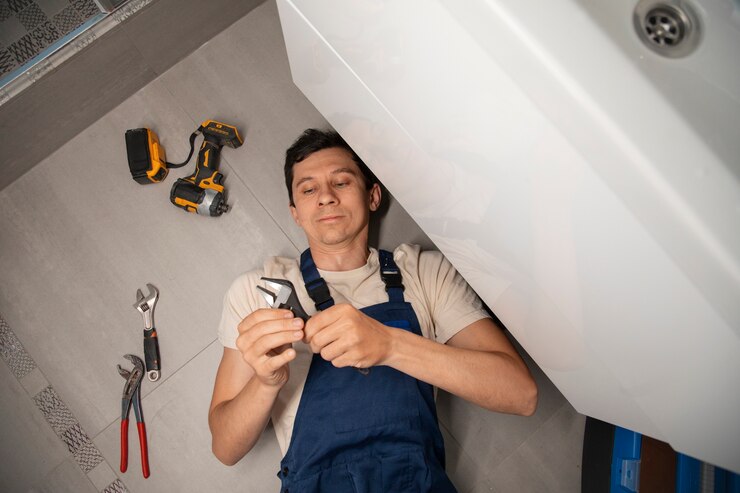
No Hot Water in Sydney? Fast Repair & Replacement
Waking up to cold water is more than an inconvenience — it can signal a failing system that needs urgent attention. Whether your electric element has burned out, your gas pilot light has gone cold, or your storage tank is leaking across the laundry floor, fast diagnosis is the first step toward getting your hot water back. Sydney plumbers experienced with every system type are available around the clock to help.
Call Now: 0480 054 011Why You Have No Hot Water
Hot water systems are built to be reliable, but every system has components that wear out over time. Understanding the most common failure points helps you communicate with your plumber and make informed decisions about repair versus replacement.
Heating Element Failure (Electric Systems)
Electric hot water systems rely on one or two immersion elements to heat water inside the tank. These elements are submerged in water constantly, which means they corrode and eventually fail. When an element burns out, the system either produces lukewarm water (if one element of two fails) or no hot water at all. Element failure is the single most common reason Sydney households lose hot water from an electric system. Replacement is straightforward for a licensed plumber and can usually be completed within an hour.
Thermostat Malfunction
The thermostat controls the temperature of the water inside the tank. When it fails, the system may overheat (triggering the high-temperature cutoff), under-heat, or stop heating entirely. A faulty thermostat can also cause your energy bills to spike because the system cycles on and off erratically. Thermostat replacement is a relatively inexpensive repair that restores full function quickly.
Gas Supply Issues
Gas hot water systems can lose function for several reasons tied to fuel supply. A pilot light that has blown out is the simplest fix — often just a matter of relighting. A faulty gas valve, on the other hand, requires professional replacement. Supply interruptions from the gas network itself, while rare, do occur and affect entire streets or suburbs. If your gas cooktop also has no flame, the issue is likely supply-side rather than the hot water unit itself.
Sediment Buildup Reducing Efficiency
Sydney’s water supply carries dissolved minerals that settle at the bottom of storage tanks over years. This sediment layer insulates the water from the heating element or burner, forcing the system to work harder and longer to reach temperature. In advanced cases, sediment buildup can cause banging or popping noises during heating cycles and eventually leads to element failure or tank corrosion. Regular flushing every few years extends system life significantly.
Tempering Valve Failure
Australian regulations require a tempering valve on all hot water systems to blend hot and cold water before it reaches taps, preventing scalding. When this valve fails, you may experience water that is too hot, too cold, or fluctuating unpredictably. A failed tempering valve is a safety concern and should be addressed promptly by a licensed plumber.
System Age and End of Lifespan
Every hot water system has a finite lifespan. Electric and gas storage systems typically last 8 to 12 years before the tank corrodes internally and begins to leak. Continuous flow (tankless) systems last longer — generally 15 to 20 years — because they do not store water permanently. If your system is approaching or past these benchmarks and has started failing, the cost of repeated repairs often exceeds the value of installing a new, more efficient unit.
Types of Hot Water Systems in Sydney Homes
The type of system installed in your home affects how it fails, what repairs cost, and what replacement options are available. Sydney homes use a wide range of hot water technologies, often influenced by the suburb’s age, gas availability, and roof orientation.
Electric Storage
Electric storage systems are the most common type found in older Sydney homes, particularly throughout the Inner West and Eastern Suburbs where properties were built before natural gas became widely available. These systems heat water using immersion elements and store it in an insulated tank, typically ranging from 125 to 400 litres. Common failure points include element burnout, thermostat failure, and anode rod corrosion that leads to tank leaks. Electric storage systems are being phased out in new builds under NSW energy efficiency regulations, but millions remain in service across Sydney.
Gas Storage
Gas storage systems are popular across Western Sydney — suburbs like Parramatta, Penrith, and Liverpool — where natural gas infrastructure is well established. These systems use a gas burner beneath the tank to heat water and tend to recover faster than electric systems after heavy use. Common failures include pilot light issues, thermocouple wear, gas valve faults, and flue blockages. Gas storage systems are generally less expensive to run than electric, but the tanks still corrode internally over time.
Gas Continuous Flow / Instantaneous
Continuous flow systems from brands like Rinnai, Bosch, and Rheem heat water on demand as it passes through a heat exchanger. There is no storage tank, which means no standby heat loss and a virtually unlimited supply of hot water. These units are compact, wall-mounted, and common in newer apartments and renovated homes across Sydney. Failure points include ignition faults, heat exchanger scale buildup, and flow sensor issues. Their longer lifespan of 15 to 20 years makes them a popular choice for replacement when an old storage system fails.
Heat Pump Systems
Heat pump hot water systems extract warmth from the surrounding air to heat water, operating on a similar principle to a reverse-cycle air conditioner. They use roughly one-third the electricity of a traditional electric storage system, making them the most energy-efficient electric option available. Heat pumps are growing rapidly in newer Sydney builds and are the most common choice when households upgrade from old electric storage systems. They work best in well-ventilated outdoor areas and can be noisier than traditional tanks, which is worth considering in closely spaced housing.
Solar Hot Water
Solar hot water systems use roof-mounted collector panels to heat water directly or to heat a transfer fluid that then warms the storage tank. They are particularly common across the Northern Beaches and Hills District where larger roof areas and good solar exposure are available. Most solar systems include an electric or gas booster for cloudy days. Failure points include pump circulation faults, collector damage from storms, and booster element burnout. While the upfront cost is higher, the running costs are the lowest of any system type.
Need Your Hot Water Back Today?
Licensed plumbers available 24/7 across Sydney for diagnosis, repair, and replacement
Call Now: 0480 054 011Fast response • Licensed professionals • All Sydney areas
Emergency vs Non-Emergency Hot Water Issues
Not every hot water problem requires an emergency plumber. Understanding the severity of your situation helps you decide whether to call immediately or schedule a visit during business hours, which can also affect the cost.
Treat as Emergency
Complete hot water loss in winter
Sydney winter mornings regularly drop below 10 degrees. No hot water during cold months is a genuine health and comfort emergency, especially in homes with young children or elderly residents. Call for same-day service.
Leaking tank
A leaking hot water tank can release hundreds of litres of water, damaging flooring, walls, and subfloor structures. If you notice water pooling around the base of your tank, turn off the water supply to the unit and call immediately. This situation is similar to a burst pipe in terms of potential water damage.
Urgent but Not Emergency
Partial hot water loss
If you are getting some hot water but it runs out quickly or does not reach full temperature, the system is partially functional. This typically indicates a single element failure in a dual-element system or a thermostat issue. It needs attention soon but can usually wait for a scheduled appointment within 24 hours.
Strange noises from the tank
Popping, banging, or rumbling sounds during heating cycles usually indicate sediment buildup at the bottom of the tank. While not immediately dangerous, these noises signal that the system is working harder than it should and the problem will worsen without attention. Book a service within the next week.
Repair vs Replacement – What’s Better?
The repair-or-replace decision depends on the age of your system, the nature of the fault, and the cost difference between fixing what you have and installing something new and more efficient.
When Repair Makes Sense
If your hot water system is under five years old and the failure is a single component — a thermostat, element, pilot assembly, or tempering valve — repair is almost always the right call. These components typically cost between $150 and $400 to replace including labour, which is a fraction of a new system. The tank itself is likely in good condition with years of service remaining, and the anode rod (the sacrificial component that protects the tank from corrosion) should still have life left in it.
When Replacement Is Better
Systems older than ten years that have experienced multiple failures are sending a clear message. At this age, the anode rod is likely depleted, the tank interior is corroding, and the next failure could be a leak that causes water damage. Replacing proactively avoids emergency pricing and gives you the opportunity to choose a more efficient system type. A household spending $600 on repairs to a twelve-year-old electric storage tank would be better served putting that money toward a new unit with a fresh warranty.
Cost Comparison by System Type
| System Type | Typical Repair Cost | Replacement Cost (Installed) |
|---|---|---|
| Electric Storage | $200 – $500 | $1,200 – $1,800 |
| Gas Storage | $250 – $550 | $1,500 – $2,200 |
| Gas Continuous Flow | $300 – $600 | $1,800 – $2,800 |
| Heat Pump | $300 – $700 | $2,500 – $3,500+ |
| Solar | $250 – $800 | $3,000 – $5,000+ |
NSW Energy Rebates for Heat Pump Upgrades
The NSW Government and federal energy efficiency programs currently offer rebates for households upgrading from electric storage hot water to heat pump systems. These rebates can reduce the upfront cost by $1,000 or more depending on your circumstances, making a heat pump upgrade comparable in cost to replacing a like-for-like electric storage unit while delivering significantly lower running costs for the life of the system. Your plumber can confirm current rebate eligibility at the time of quoting.
Same-Day Hot Water Solutions
When you call for a hot water issue, the goal is to restore your supply as quickly as possible. Here is what the typical same-day process looks like.
Emergency Diagnosis Process
A licensed plumber will inspect the system, check electrical connections or gas supply, test the thermostat and elements, and examine the tank for corrosion or leaks. This diagnosis typically takes 20 to 30 minutes and identifies whether the issue is repairable on the spot or requires parts or a full replacement. Most plumbers carry common components — elements, thermostats, tempering valves, anode rods — on their vehicle, allowing many repairs to be completed in a single visit.
Common Same-Day Fixes
- Element replacement on electric storage systems (1 to 2 hours)
- Thermostat replacement (under 1 hour)
- Pilot light relighting and thermocouple replacement on gas systems
- Tempering valve replacement (under 1 hour)
- Circuit breaker and electrical supply fault-finding
- Gas valve replacement (1 to 2 hours depending on the model)
For full system replacements, same-day installation is possible when standard models are available. Electric storage systems and common gas continuous flow units are typically stocked on plumbing vans or available from local suppliers within hours. Less common systems such as specific heat pump models or solar units may require ordering, with installation scheduled for the following day.
Temporary Hot Water Options While Waiting
If parts need to be ordered or a replacement system is not immediately available, there are several ways to manage in the interim. Boiling water on the stovetop or in a kettle handles dishwashing and basic hygiene needs. Some plumbers can install a temporary bypass or connect a portable unit in situations where the wait will exceed 24 hours. For emergency plumbing situations where vulnerable residents are affected, priority scheduling ensures the fastest possible turnaround.
Is No Hot Water an Emergency?
Can Wait Until Tomorrow
- • Hot water works sometimes but is intermittent
- • Temperature fluctuates but water still gets warm
- • Only one tap or fixture is affected
Needs Same-Day Attention
- • No hot water at all in winter with children or elderly
- • Water heater is visibly leaking
- • Burning smell or unusual sounds from the unit
- • Relief valve constantly dripping
- • Gas smell near the hot water system
Hot Water Repair & Replacement Costs in Sydney
Heat pump installation price shown before rebates. NSW government rebates of up to $1,000 may apply for heat pump installations.
Recent Hot Water Jobs in Sydney
Electric Element & Anode Replacement
A family of five had no hot water from a 10-year-old Rheem electric system. The element had failed and tripped the safety switch. A plumber from our network replaced the element and anode rod — which was completely depleted — the same morning. The system was back running within two hours, but the plumber advised the tank would likely need full replacement within 12–18 months given the anode condition.
Gas Pilot Light & Blocked Flue
A gas hot water system's pilot light kept going out. Thermocouple replacement resolved the immediate issue, but the plumber also found the flue was partially blocked with debris, creating a carbon monoxide risk. The flue was cleared and a CO detector was recommended for the laundry where the unit was installed.
Related Emergency Services
Hot Water Repair Across Sydney
We connect customers with licensed local plumbers across Sydney's key service regions:
About Our Hot Water Service
We connect customers with licensed, insured local plumbers across Sydney. All hot water repair and replacement work is carried out by qualified independent plumbing professionals verified through NSW Fair Trading.
Trusted Emergency Plumbing Service
Licensed & Insured
Verified professional plumbers
24/7 Emergency
Available day and night
Fast Same-Day
30 min response time
All Sydney Areas
Local coverage across Sydney
Recent emergency call-outs in Sydney include blocked drains, burst pipes, and urgent hot water system repairs.
Frequently Asked Questions
How quickly can a plumber restore my hot water?
Is no hot water considered a plumbing emergency?
How much does hot water repair cost in Sydney?
Should I repair or replace my hot water system?
Are there rebates for upgrading to a heat pump hot water system in NSW?
For Licensed Plumbers
Want Emergency Plumbing Leads in Sydney?
We deliver high-intent emergency calls directly to your phone. No contracts, no ad spend — just real customers who need help now.
Learn How to Get Leads →Get Your Hot Water Back Today
24/7 emergency repair and replacement across Sydney. Call now for same-day service.
Call Now: 0480 054 011Fast response • Licensed professionals • All Sydney areas